
Thailand’s Rice Exports Fall 19% as India and Pakistan Intensify Competition
 Thailand’s Rice Exports Fall 19% as India and Pakistan Intensify Competition
BANGKOK, October 22, 2026 — Thailand’s rice exports fell 19.26% year-on-year to 4.99 million tonnes in the first nine months of 2026, as stronger competition from India and Pakistan and declining demand from Iraq weighed on shipments.
Export value from January to September dropped 16.84% to US$2.962 billion, according to figures discussed by the Commerce Ministry and the Thai Rice Exporters Association on October 20.
India, Pakistan and Iraq Pressure Thai Rice Sales
Commerce Ministry permanent secretary Poonpong Naiyanapakorn said Thai exporters faced intense competition this year as India benefited from a large harvest and substantial rice stocks. Additional supplies from Pakistan are also expected to reach international markets towards the end of the year, putting further pressure on prices.
Thai rice exports to Iraq have declined sharply since the beginning of the year amid tensions in the Middle East. Although some shipments can still pass through Turkey, higher transportation costs have limited export volumes.
In contrast, demand from the Philippines and Malaysia has provided some relief. Both countries have increased purchases of Thai rice to manage El Niño risks and strengthen food security, partly offsetting the decline in Iraqi orders.
Despite falling export volumes, Thai rice prices have remained relatively strong. The average price of Thai 5% white rice reached US$482 per tonne in September, up 28.88% from US$374 per tonne a year earlier.
High Production Costs Undermine Competitiveness
Chookiat Ophaswongse, honorary president of the Thai Rice Exporters Association, said Thai rice was more expensive than rice from competing countries because Thai farmers faced high cultivation costs and significantly lower yields per rai.
The association has called on the government to address these structural challenges by developing new rice varieties and improving cultivation methods to reduce production costs and strengthen Thailand’s competitiveness in international markets.
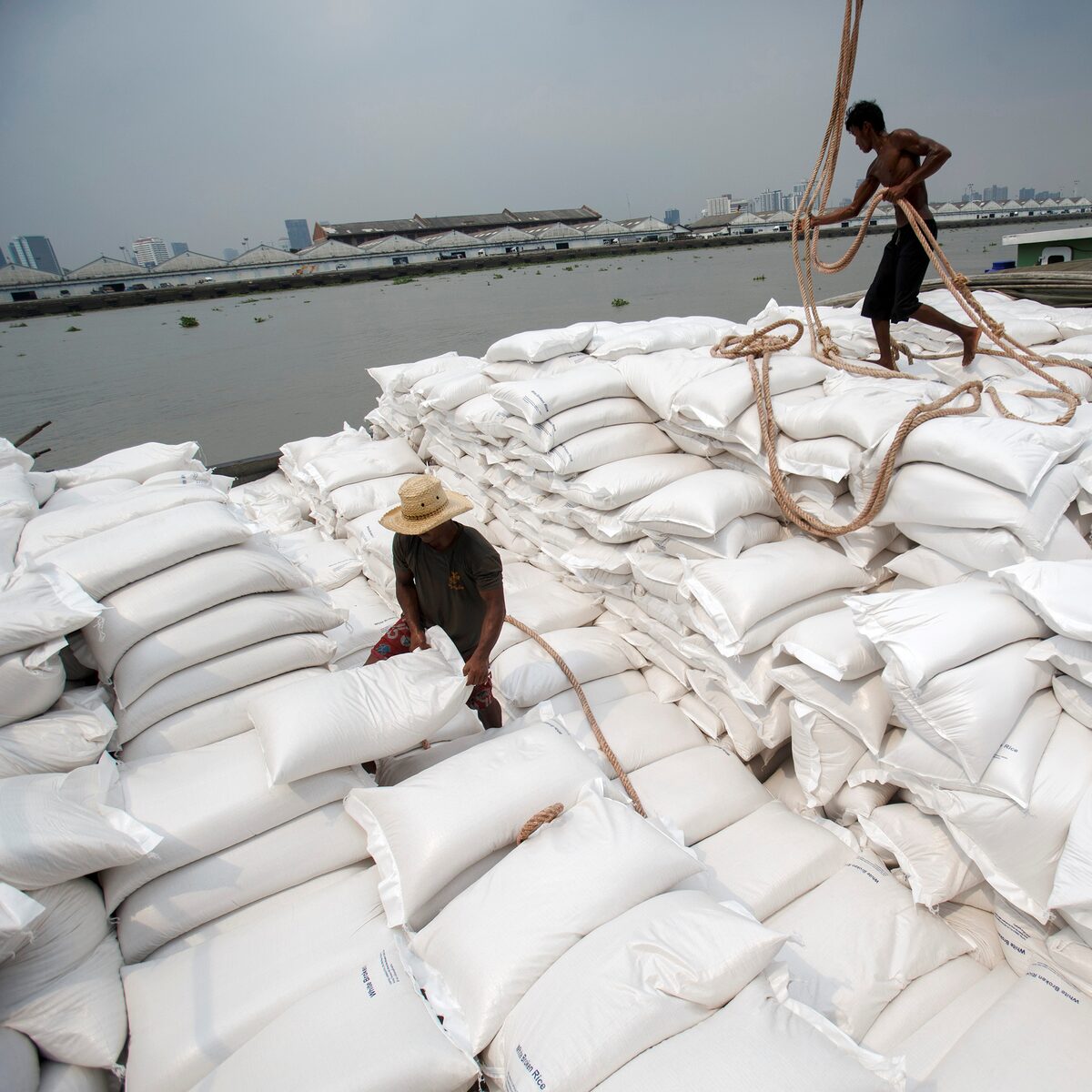
A shortage of cargo-handling workers at ports has created another challenge for exporters. The Commerce Ministry has coordinated with the Labour Ministry to explore possible solutions.
Poonpong said reducing production costs was essential to maintaining export competitiveness while ensuring farmers could earn reasonable returns. Higher exports could support domestic rice prices, while a decline in overseas sales could leave more rice in Thailand and put downward pressure on local prices.
Thailand Maintains 7 Million-Tonne Export Target for 2027
The Department of Foreign Trade plans to work with private-sector businesses to identify new opportunities and protect existing markets. Officials will discuss extending the export period allowed under Philippine import licences and encourage the Philippines to purchase more Thai rice as the new crop reaches the market.
Early next year, Thai officials also plan to meet key importers in Japan and South Africa. Other initiatives will include an international rice conference, trade negotiations, government-to-government sales efforts and promotion at international trade fairs.
Thailand expects similar challenges in 2027 and may retain its rice export target of 7 million tonnes. Officials will reassess the potential effects of El Niño and the Middle East conflict with exporters later this year before finalising a further forecast.