Thai Agricultural Trade Faces Crisis as Cambodia Halts Imports
 Thai Agricultural Trade Faces Crisis as Cambodia Halts Imports
BANGKOK, May 2, 2026 — Thailand’s agricultural export sector is facing mounting pressure after a border closure with Cambodia and retaliatory trade measures disrupted key regional markets, compounding an already fragile outlook for farmers.
Thai authorities recently moved to unilaterally close parts of the border with Cambodia, triggering a swift response from Phnom Penh, which announced it would halt imports of Thai fuel and agricultural products, including fruits.
The move follows a series of escalating tensions, with Thai officials previously warning of potential cuts to electricity, internet services and fuel exports to Cambodia. In response, Cambodia has since reduced reliance on Thai supplies, including energy, telecommunications and agricultural imports.
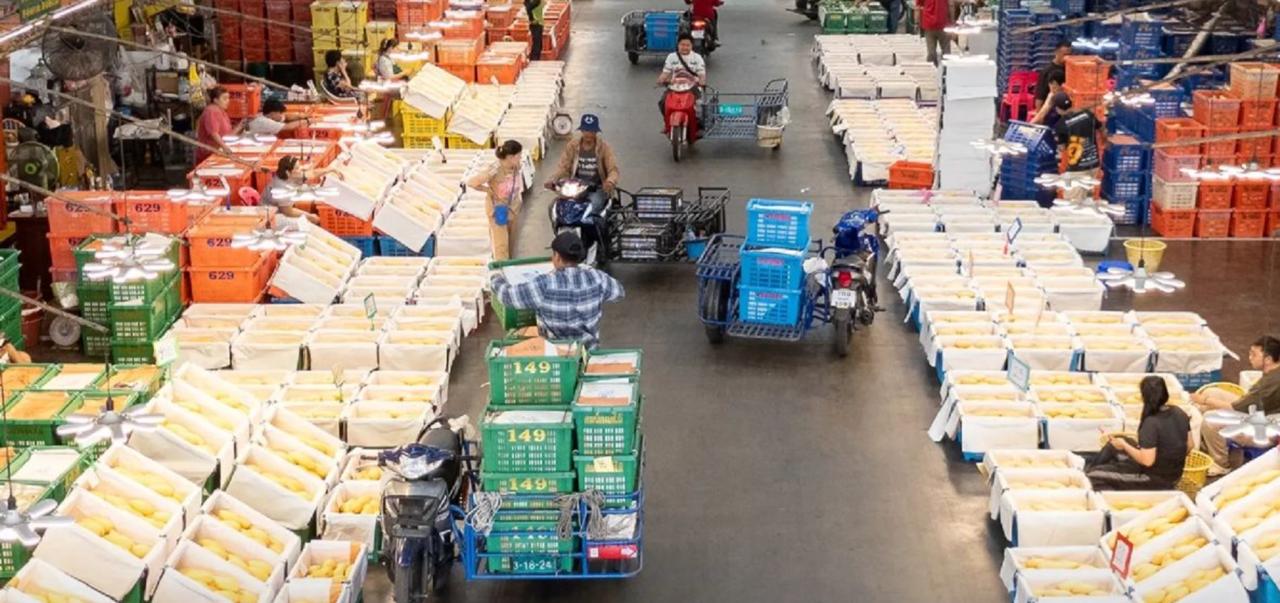
The disruption has dealt a fresh blow to Thai farmers, particularly fruit growers who depend on cross-border trade. Cambodia has traditionally served as both a direct market and a transit route for Thai agricultural products.
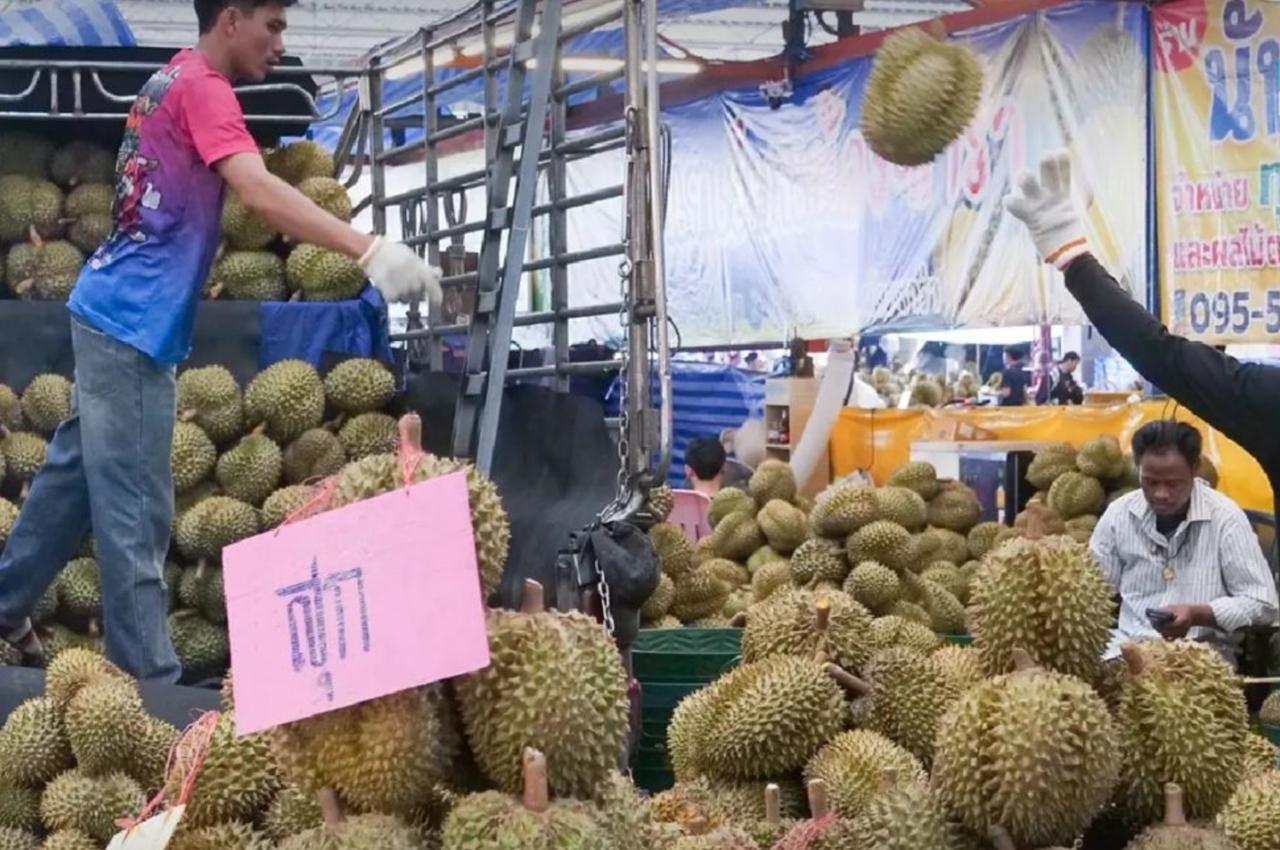
The crisis comes at a time when Thailand’s farm sector is already under strain from structural challenges. A surge in production, particularly in durian, has created oversupply, while prices remain volatile and often below sustainable levels for farmers.
At the same time, Thailand is facing intensifying competition from regional exporters, notably Vietnam, which has rapidly expanded its market share in China thanks to logistical advantages and year-round production capacity.
Rising global fuel costs linked to Middle East tensions have further increased transport and fertiliser expenses, squeezing margins across the agricultural sector.
Analysts say the combination of domestic policy shocks, geopolitical tensions and structural weaknesses risks deepening the crisis for Thai agriculture, which employs millions and remains a key pillar of the economy.
Officials have yet to outline comprehensive measures to offset the impact of lost markets, though efforts to diversify export routes and promote domestic consumption are under discussion.
The situation underscores the vulnerability of Thailand’s agricultural sector to both external shocks and policy decisions, as farmers face growing uncertainty ahead of peak harvest seasons.