
Thai Minimum Wage Struggles to Keep Up With Cost of Living
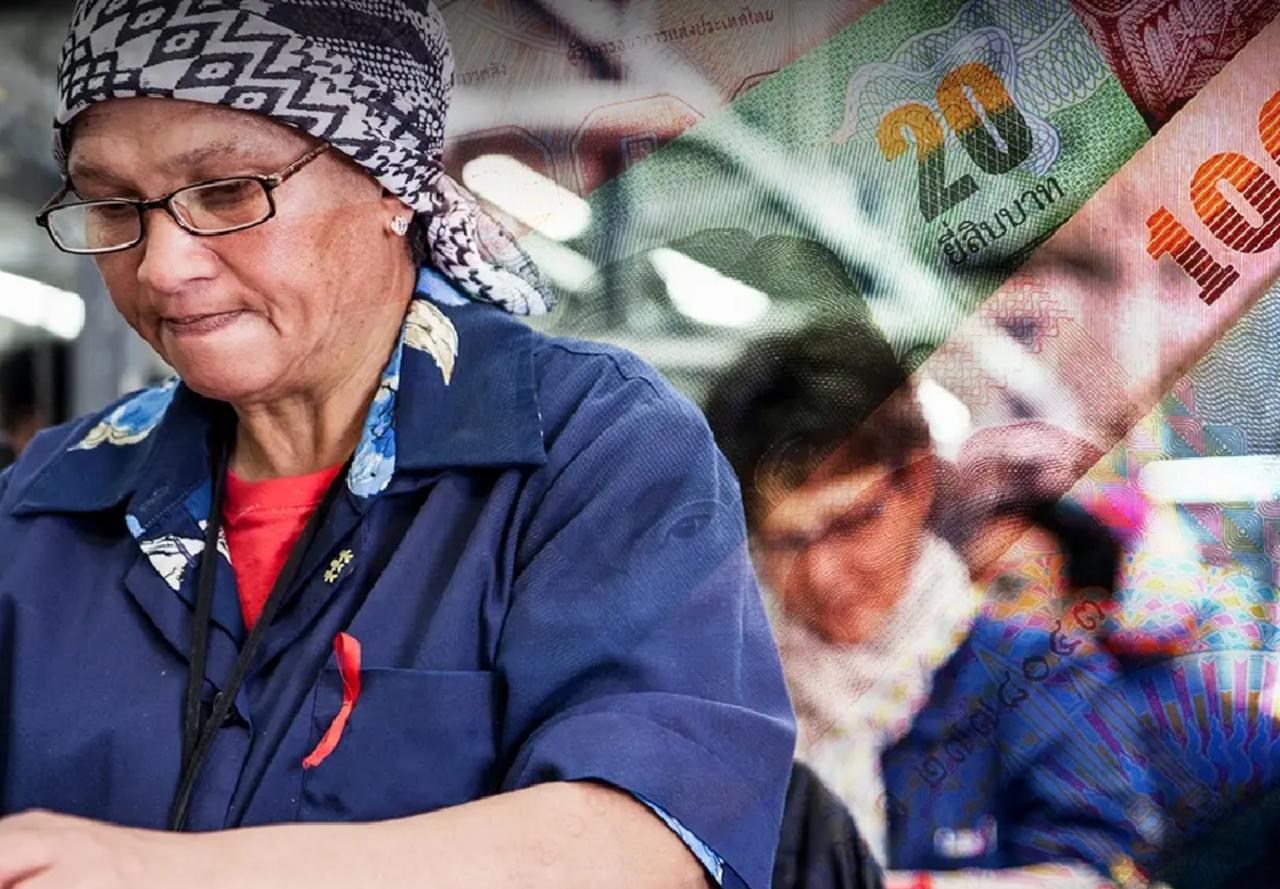 Thai Minimum Wage Struggles to Keep Up With Cost of Living
BANGKOK, May 2, 2026 — Thailand’s minimum wage growth has failed to keep pace with rising living costs over the past decade, leaving many workers with little improvement in real income, according to a study by Bnomics, a research unit of Bangkok Bank.
The analysis found that nominal wages increased by an average of just 1.7% annually, while real income growth remained below 1%, as higher costs for food, transport and housing eroded purchasing power.
Thailand introduced a nationwide minimum wage of 300 baht per day in 2012, but it remained unchanged for several years. Subsequent adjustments have largely kept wages in line with inflation rather than delivering meaningful gains in living standards.
Researchers said minimum wage increases have effectively been “chasing” rising costs, allowing workers to maintain existing conditions without significant economic progress.
The Covid-19 pandemic further highlighted structural weaknesses in the wage system, as many households faced rising expenses and turned to borrowing, contributing to higher levels of household debt.
The findings suggest that while minimum wage policy has provided a basic income floor, it has not functioned as a driver of long-term economic mobility.
Bnomics recommended that future wage adjustments better reflect actual living costs and regional differences, and be paired with broader measures to boost productivity and expand economic opportunities.
Analysts say policymakers face increasing pressure to address structural challenges in Thailand’s labour market, as stagnant real incomes continue to weigh on household finances and economic growth.